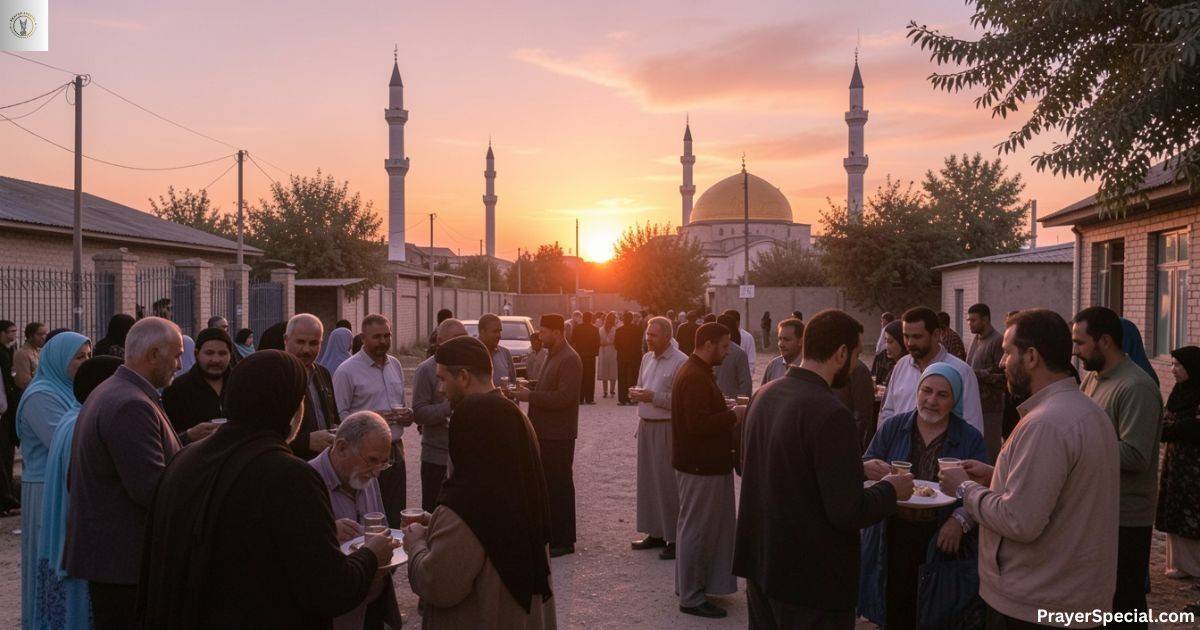
Many people hear the call to prayer every day without fully understanding its meaning or importance. Some may wonder why it is recited five times daily, while others feel curious about the peaceful sound that echoes from mosques around the world. For Muslims, the call to prayer is a powerful reminder to pause daily life and turn toward worship and remembrance of Allah.
In this blog, you will learn what the call to prayer means, why it holds such importance in Islam, and how its words carry deep spiritual meaning. We will also explore the history of the Adhan, the five daily prayer times, and the message behind this beautiful Islamic tradition in a simple and easy-to-understand way.
What Is the Call to Prayer in Islam?
The Call to Prayer in Islam is known as the Adhan. It is a special announcement made to invite Muslims to perform salah, the five daily prayers commanded by Allah. The Adhan is called from the mosque before each prayer time begins and reminds believers to leave worldly matters and turn toward worship.
The words of the Adhan declare the greatness of Allah, the oneness of God, and the prophethood of Muhammad ﷺ. It also calls Muslims toward prayer and success, showing that true peace and guidance are found in remembering Allah.
For Muslims around the world, the Adhan is more than a prayer announcement. It is a spiritual reminder that connects the heart to faith, discipline, and devotion throughout the day.
Alternative Version 1
In Islam, the Call to Prayer is called the Adhan. It is recited five times a day to inform Muslims that the time for Salat has arrived. The Adhan serves as a reminder to pause daily activities and stand before Allah in worship.
Its beautiful words contain the core beliefs of Islam, including the belief in one God and the message of Prophet Muhammad ﷺ. The call encourages Muslims to seek success through prayer and obedience to Allah.
Alternative Version 2
The Adhan, or Islamic Call to Prayer, is a sacred call that invites Muslims to perform their daily prayers. It is announced before every obligatory Salah and can be heard from mosques across the world.
The message of the adhan emphasizes faith, worship, and submission to Allah. Each phrase carries deep spiritual meaning and reminds Muslims of their purpose in life and their connection with their Creator.
Alternative Version 3
The Call to Prayer in Islam is known as the Adhan, a meaningful call that marks the beginning of each prayer time. Through these words, Muslims are invited to gather for worship and remember Allah throughout the day.
The Adhan reflects the central teachings of Islam by declaring the greatness of Allah and the importance of prayer. It is both a public invitation and a personal reminder for every believer to strengthen their relationship with God.
The Five Daily Times for the Call to Prayer
The Adhan is called five times each day before the obligatory prayers in Islam. These prayer times are spread throughout the day to help Muslims remember Allah regularly and maintain a strong spiritual connection. Each call to prayer announces the beginning of a specific Salat and invites believers to pause their daily activities and turn toward worship.
The five daily prayer times are:
- Fajr – the dawn prayer before sunrise
- Dhuhr – the midday prayer after the sun passes its highest point
- Asr – the afternoon prayer
- Maghrib – the prayer just after sunset
- Isha – the night prayer after darkness falls
Each Adhan serves as a reminder of faith, discipline, and devotion to Allah throughout the day and night.
Alternative Version 1
Muslims hear the Call to Prayer five times every day, marking the times of the obligatory prayers. The Adhan is announced before each salah to remind believers to worship Allah and seek guidance through prayer.
The five prayer times begin at dawn and continue until night. These daily prayers help Muslims organize their lives around remembrance, gratitude, and obedience to Allah.
Alternative Version 2
In Islam, the Adhan is recited before each of the five daily prayers. These prayer times are carefully set according to the position of the sun and provide Muslims with regular moments of worship during the day.
From the early morning prayer of Fajr to the night prayer of Isha, the adhan reminds Muslims to renew their faith and strengthen their connection with Allah through salah.
Alternative Version 3
The Call to Prayer is made at five different times every day to announce the obligatory prayers in Islam. Each adhan signals the arrival of prayer time and encourages Muslims to leave worldly concerns and focus on the worship of Allah.
These five daily prayers bring spiritual balance to a Muslim’s life and serve as a continuous reminder of faith, discipline, and devotion.
Arabic Words Used in the Call to Prayer Explained
The words of the Adhan carry deep spiritual meaning and reflect the central beliefs of Islam. Each phrase reminds Muslims of the greatness of Allah, the importance of prayer, and the message brought by Prophet Muhammad ﷺ. These Arabic words are recited before every obligatory prayer and are understood by Muslims around the world.
Some of the main phrases in the adhan include the following:
- Allahu Akbar — “Allah is the Greatest”
- Ashhadu an la ilaha illallah — “I bear witness that there is no god but Allah”
- Ashhadu anna Muhammadan Rasulullah—”I bear witness that Muhammad is the Messenger of Allah.”
- Hayya alas-Salah — “Come to prayer”
- Hayya alal-Falah — “Come to success”
Together, these words invite believers toward worship, faith, and spiritual success.
Alternative Version 1
The Arabic words used in the Call to Prayer express the foundations of Islamic belief and worship. Every sentence in the Adhan has a special meaning that reminds Muslims to remember Allah and prepare for salah.
The Adhan begins with praising Allah’s greatness, followed by the declaration of faith and the invitation to prayer. Its simple yet powerful words have remained unchanged since the time of Prophet Muhammad ﷺ.
Alternative Version 2
The Adhan contains meaningful Arabic phrases that call Muslims to prayer five times a day. These words emphasize the oneness of Allah, the prophethood of Muhammad ﷺ, and the importance of worship in a Muslim’s life.
Each phrase in the call to prayer carries a spiritual message and encourages believers to seek guidance, peace, and success through Salah.
Alternative Version 3
The words recited in the adhan are among the most recognized phrases in Islam. They are spoken in Arabic and repeated daily to announce the time for prayer and remind Muslims of their faith.
From declaring the greatness of Allah to inviting people toward prayer and success, every part of the adhan holds deep religious and spiritual significance.
The Beautiful Sound and Tradition of the Call to Prayer
The Call to Prayer is known for its beautiful and peaceful sound that echoes from mosques around the world each day. The Adhan is recited in a clear and melodious voice to invite Muslims to prayer and remind them of Allah. For many believers, hearing the Adhan brings feelings of calmness, faith, and spiritual connection.
Since the time of Prophet Muhammad ﷺ, the tradition of calling the Adhan has remained an important part of Islamic worship. Whether heard from a mosque minaret or inside an Islamic center, the adhan continues to unite Muslim communities and preserve a sacred tradition passed down through generations.
Alternative Version 1
The sound of the adhan holds a special place in the hearts of Muslims. Its calm and rhythmic words announce the time for prayer and create an atmosphere of peace and remembrance of Allah.
The tradition of the Call to Prayer began during the lifetime of Prophet Muhammad ﷺ and has continued across the world for centuries. Today, the Adhan remains one of the most recognized symbols of Islamic worship and devotion.
Alternative Version 2
The Adhan is admired for its beautiful recitation and spiritual message. Muslims hear the Call to Prayer five times each day, reminding them to pause their activities and turn toward worship.
This long-standing Islamic tradition connects Muslim communities around the world through the same words of faith, prayer, and submission to Allah. The sound of the Adhan continues to inspire reflection, unity, and devotion.
Alternative Version 3
The Call to Prayer is more than an announcement for Salah. Its beautiful sound serves as a spiritual reminder that encourages Muslims to remember Allah throughout the day.
For centuries, the tradition of reciting the Adhan has been preserved in mosques and Islamic communities worldwide. Its familiar words and peaceful tone continue to strengthen faith and bring people together in worship.
How Non-Muslims Can Understand the Call to Prayer
The Call to Prayer, or Adhan, is an invitation for Muslims to pause and remember Allah through daily prayer. For non-Muslims, understanding the Adhan begins with recognizing that it is not simply a public announcement but an important act of worship and a reminder of faith in Islam.
The words of the Adhan speak about the greatness of Allah, the message of Prophet Muhammad ﷺ, and the importance of prayer in a Muslim’s life. Hearing the Adhan offers insight into how Muslims organize their daily lives around spirituality, discipline, and devotion to God.
Alternative Version 1
Non-Muslims can understand the Call to Prayer as a spiritual invitation that reminds Muslims to worship Allah five times each day. The Adhan reflects the central beliefs of Islam and encourages believers to turn away from daily distractions and focus on prayer.
Its peaceful words and rhythmic recitation also help people appreciate the role of faith, community, and worship within Muslim life and culture.
Alternative Version 2
The adhan is one of the most recognized traditions in Islam and may be heard from mosques around the world. For non-Muslims, it can be understood as a reminder of prayer and devotion that holds deep meaning for Muslim communities.
The Call to Prayer expresses important Islamic beliefs, including the oneness of Allah and the significance of worship. It also shows how prayer remains an essential part of everyday life in Islam.
Alternative Version 3
To understand the call to prayer, non-Muslims can view it as a sacred message that invites Muslims to connect with Allah through salat. The adhan is recited at specific times each day and serves as a spiritual reminder for worship and reflection.
Its words carry themes of faith, unity, and devotion, helping others better understand the importance of prayer and religious practice in Islam.
More also. Inspiring Bedtime Prayer for Kids to Encourage Love and Kindness
FAQs
What is a call to prayer?
The call to prayer in Islam is known as the Adhan. It is a special announcement made before each daily prayer to invite Muslims to worship Allah. The Adhan reminds believers to pause their activities and turn toward prayer and remembrance of God.
How to recite the call to prayer in Islam?
The call to prayer is recited in Arabic by a person known as the muadhdhin. It begins with praising Allah, followed by the declaration of faith and the invitation to prayer and success. The Adhan should be recited clearly, calmly, and respectfully.
How often do Muslims have the call to prayer?
Muslims hear the call to prayer five times each day before the obligatory prayers. These prayer times are Fajr, Dhuhr, Asr, Maghrib, and Isha. The Adhan helps Muslims stay connected to worship throughout the day.
What do they say during the call to prayer?
During the Adhan, phrases are recited that declare the greatness of Allah and invite people to prayer. Important lines include “Allahu Akbar” (Allah is the greatest) and “Hayya alas-Salah” (Come to prayer). The words also affirm the message of Prophet Muhammad ﷺ.
What are the two types of call to prayer?
The two main forms related to the call to prayer are the Adhan and the Iqamah. The Adhan announces that the prayer time has begun, while the Iqamah is recited shortly before the prayer starts. Both contain similar words, but the Iqamah is shorter.
Conclusion
The call to prayer is more than just a sound from the mosque; it is a daily reminder of faith, discipline, and connection with Allah. It brings Muslims together five times a day, guiding them to pause their busy lives and focus on worship. From its meaningful Arabic words to its peaceful tradition, the Adhan carries a message of unity, belief, and spiritual purpose that has continued for centuries.
Understanding the call to prayer helps us see its deep value in Islam. It is not only an announcement for Salah but also a beautiful expression of devotion that strengthens faith and reminds believers of their Creator.

As an SEO content writer, I develop and implement content strategies to enhance online visibility and drive organic traffic. With five years of strong experience in the marketing and content writing field. In his spare time he enjoys playing badminton, which helps him stay active and sharpen his strategic thinking skills.