Whether you’re celebrating Hanukkah for the first time or continuing a family tradition, it’s natural to wonder which Hanukkah prayers to say and when to say them. With different blessings, Hebrew texts, and traditions, it can feel overwhelming if you’re trying to make sure you follow the menorah-lighting ritual correctly or simply understand the meaning behind each prayer.
In this guide, you’ll learn the main Hanukkah prayers, when each one is recited, and what it represents in the celebration of the Festival of Lights. You’ll also find clear explanations, English translations, and helpful insights that make these cherished blessings easy to understand and meaningful to recite, whether you’re praying on your own or with family.
Traditional Hanukkah Prayers Recited During the Menorah Lighting
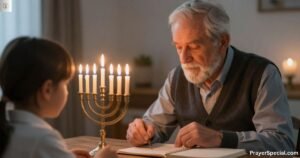
Lighting the menorah is one of the most meaningful Hanukkah traditions. Before the candles are lit, specific prayers are recited to honor the holiday, remember the miracles of Hanukkah, and express gratitude. The first two blessings are said every night, while the third blessing is reserved for the first evening of the festival.
Blessing Before Lighting the Hanukkah Candles
This blessing is recited first, immediately before lighting the menorah. It recognizes the mitzvah (sacred commandment) of kindling the Hanukkah lights and marks the beginning of the nightly celebration.
Prayer (English Translation):
Blessed are You, Lord our God, King of the universe, who has sanctified us through Your commandments and commanded us to kindle the Hanukkah lights.
Meaning:
This prayer transforms the simple act of lighting candles into a meaningful spiritual tradition. It reminds us that each flame represents faith, devotion, and the responsibility to keep the story of Hanukkah alive. As the candles begin to glow, they symbolize the light of hope overcoming darkness.
Blessing for the Miracles of Hanukkah
After the first blessing, this prayer is recited every night of Hanukkah. It gives thanks for the miracles experienced by the Jewish people and remembers the events that inspired the Festival of Lights.
Prayer (English Translation):
Blessed are You, Lord our God, King of the universe, who performed miracles for our ancestors in those days at this season.
Meaning:
This blessing connects today’s celebration with the courage and faith of earlier generations. It reflects gratitude for divine guidance in times of hardship and encourages us to recognize moments of hope, strength, and unexpected blessings in our own lives.
Shehecheyanu Prayer (First Night of Hanukkah)
The Shehecheyanu blessing is recited only on the first night of Hanukkah or the first time the menorah is lit during the holiday. It celebrates the privilege of reaching another joyful season.
Prayer (English Translation):
Blessed are You, Lord our God, King of the universe, who has given us life, sustained us, and enabled us to reach this occasion.
Meaning:
This prayer expresses heartfelt gratitude for life and new beginnings. It invites us to pause and appreciate the opportunity to celebrate Hanukkah once again with family, friends, and community. The Shehecheyanu also reminds us to welcome each new season with thankfulness, optimism, and renewed purpose.
Hanerot Halalu (After the Menorah Is Lit)
Once the Hanukkah candles have been kindled, many families recite or sing Hanerot Halalu, a traditional prayer that reflects on the purpose of the lights.
Prayer (English Translation):
We light these Hanukkah lights to remember the miracles, the wonders, the acts of salvation, and the victories You performed for our ancestors in those days at this season. These lights are sacred, and we may only look upon them as a reminder to give thanks and praise for Your great name.
Meaning:
Hanerot Halalu emphasizes that the menorah’s flames are more than decorative lights—they are symbols of remembrance and gratitude. By quietly watching the candles burn, we reflect on the miracle of Hanukkah, honor Jewish heritage, and celebrate the enduring message of faith, hope, and resilience that continues to inspire each generation.
Common Hanukkah Prayers and Their Biblical Connections
Although Hanukkah is not a biblical festival, many of its prayers reflect themes that appear throughout the Hebrew Bible. They focus on God’s faithfulness, deliverance, gratitude, and the triumph of light over darkness. These connections help deepen the meaning of the Hanukkah celebration and remind worshippers that the festival is rooted in enduring spiritual values.
Blessing for Kindling the Hanukkah Lights
This prayer opens the menorah-lighting ceremony each night. While the blessing itself was established by Jewish tradition, it echoes the biblical call to obey God’s commandments and dedicate everyday actions to worship.
Prayer (English Translation):
Blessed are You, Lord our God, King of the universe, who has sanctified us through Your commandments and commanded us to kindle the Hanukkah lights.
Biblical Connection:
The blessing reflects the recurring biblical theme of living according to God’s commandments. Throughout Scripture, acts of worship are presented as opportunities to remember God’s presence and remain faithful. Lighting the menorah continues that tradition by turning a simple ritual into an expression of devotion, remembrance, and spiritual commitment.
Blessing: Remembering God’s Miracles
Recited every night after the first blessing, this prayer recalls the miracles experienced by the Jewish people and celebrates God’s saving power across generations.
Prayer (English Translation):
Blessed are You, Lord our God, King of the universe, who performed miracles for our ancestors in those days at this season.
Biblical Connection:
The Hebrew Bible repeatedly encourages God’s people to remember His mighty works, from the Exodus to His ongoing guidance and protection. This blessing follows that same pattern of gratitude, inviting each generation to recall God’s faithfulness and recognize His presence during both extraordinary events and everyday life.
The Shehecheyanu Prayer
The Shehecheyanu is recited on the first night of Hanukkah to celebrate reaching another sacred season. It expresses thankfulness for life, strength, and the opportunity to observe the festival once again.
Prayer (English Translation):
Blessed are You, Lord our God, King of the universe, who have given us life, sustained us, and enabled us to reach this occasion.
Biblical Connection:
Throughout the Psalms and other biblical writings, gratitude for life and God’s sustaining care is a central theme. The Shehecheyanu reflects this spirit of thanksgiving by acknowledging that every new season is a gift. It encourages worshippers to begin Hanukkah with joyful hearts, recognizing God’s continued care and provision.
Hanerot Halalu
After the menorah has been lit, many Jewish families recite or sing Hanerot Halalu, a traditional prayer that explains the purpose of the Hanukkah lights.
Prayer (English Translation):
We kindle these lights to remember the miracles, the acts of deliverance, and the victories You performed for our ancestors. These lights are sacred, and we look upon them with gratitude and praise.
Biblical Connection:
Light is a powerful biblical symbol representing God’s presence, wisdom, and hope. By gazing at the menorah, worshippers are reminded of the enduring message found throughout Scripture that faith can shine brightly even in times of uncertainty. The Hanukkah lights become a visible expression of trust, remembrance, and enduring hope passed down through generations.
More also: Best Grief Prayer for Grieving Family to Find Peace and Hope
Differences Between Hanukkah Prayers and Other Jewish Holiday Prayers
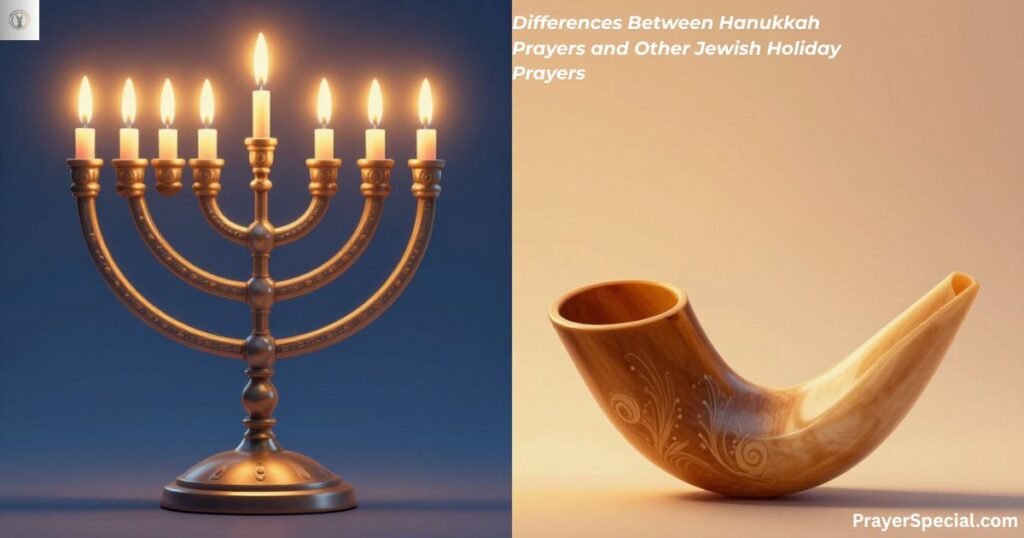
Jewish holidays each have their own unique prayers that reflect the purpose and meaning of the occasion. Hanukkah prayers focus on remembering miracles, kindling the menorah, and expressing gratitude for God’s faithfulness. In contrast, other Jewish festivals often emphasize themes such as freedom, repentance, harvest, or renewal. Understanding these differences helps place the Hanukkah blessings within the broader tradition of Jewish worship.
Hanukkah Prayer: Blessing for Lighting the Menorah
The opening Hanukkah blessing is unique because it is recited specifically before lighting the menorah. Unlike many holiday prayers that accompany festive meals or synagogue services, this blessing centers on the nightly mitzvah of kindling the Hanukkah lights.
Prayer (English Translation):
Blessed are You, Lord our God, King of the universe, who has sanctified us through Your commandments and commanded us to kindle the Hanukkah lights.
How It Differs:
This blessing is tied to a single ritual performed on each of the eight nights of Hanukkah. While other Jewish holidays include blessings over wine, bread, or festival observances, this prayer highlights the act of bringing light into the home as a reminder of the Hanukkah miracle.
Hanukkah Prayer for Remembering Miracles
The second blessing is recited every night of Hanukkah and gives thanks for the miracles experienced by the Jewish people. It places remembrance at the center of the celebration.
Prayer (English Translation):
Blessed are You, Lord our God, King of the universe, who performed miracles for our ancestors in those days at this season.
How It Differs:
Many Jewish holidays recall important moments in Jewish history, but Hanukkah prayers specifically celebrate miraculous deliverance and divine protection. Rather than focusing on themes such as liberation, repentance, or covenant, this blessing encourages worshippers to reflect on courage, hope, and God’s continuing faithfulness.
Shehecheyanu: Celebrating a New Season
The Shehecheyanu blessing is recited on the first night of Hanukkah, thanking God for allowing us to reach this joyful occasion. Although this blessing is also used on several other Jewish holidays, its meaning takes on a special dimension during Hanukkah.
Prayer (English Translation):
Blessed are You, Lord our God, King of the universe, who have given us life, sustained us, and enabled us to reach this occasion.
How It Differs:
On Hanukkah, the Shehecheyanu marks the beginning of eight nights dedicated to light, remembrance, and celebration. While the same blessing may be recited at the start of other festivals or meaningful life events, during Hanukkah it expresses gratitude for gathering once again to commemorate the miracle of the menorah and the enduring spirit of the Jewish people.
Hanerot Halalu: A Reflection After Lighting the Candles
After the menorah has been lit, many families recite or sing Hanerot Halalu, a traditional prayer that explains the significance of the Hanukkah lights.
Prayer (English Translation):
We kindle these lights to remember the miracles, the acts of salvation, and the victories You performed for our ancestors. These lights are sacred, and we look upon them with gratitude and praise.
How It Differs:
Unlike prayers associated with many other Jewish holidays, Hanerot Halalu is not a request or petition. Instead, it is a reflective declaration that encourages worshippers to pause, observe the glowing candles, and remember the story behind the festival. This quiet moment of contemplation is one of the distinctive spiritual traditions that sets Hanukkah apart from many other celebrations in the Jewish calendar.
Modern and Traditional Hanukkah Prayers for Today’s Celebrations
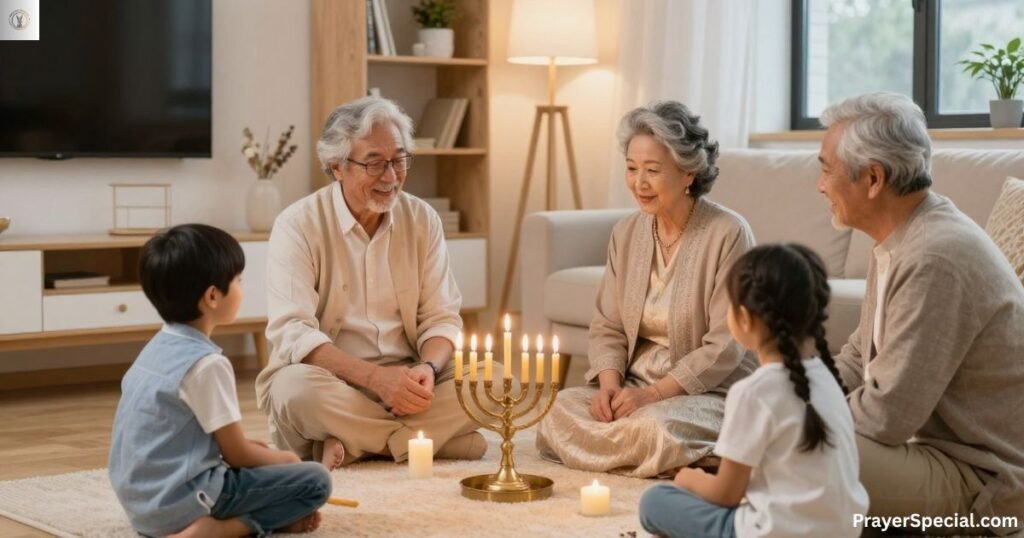
Hanukkah traditions have been passed down through generations, yet the prayers remain meaningful in both traditional and modern celebrations. While the classic blessings are recited in the same way they have been for centuries, many families also include personal prayers, songs, or moments of reflection that connect the festival’s message of hope with everyday life. Together, these practices make Hanukkah both a remembrance of the past and a celebration of the present.
Traditional Blessing for Lighting the Hanukkah Candles
The first blessing begins the menorah-lighting ceremony each night. It has remained a central part of Hanukkah observance for generations and reminds worshippers that lighting the candles is a sacred mitzvah.
Prayer (English Translation):
Blessed are You, Lord our God, King of the universe, who has sanctified us through Your commandments and commanded us to kindle the Hanukkah lights.
Meaning:
This timeless blessing invites families to pause before lighting the menorah and recognize the spiritual significance of the moment. Whether observed in a synagogue or at home, it reminds us that each candle carries forward a tradition of faith, remembrance, and devotion.
Traditional Prayer: Remembering the Miracles
Immediately after the first blessing, this prayer gives thanks for the miracles that inspired the Festival of Lights. It is recited on every night of Hanukkah.
Prayer (English Translation):
Blessed are You, Lord our God, King of the universe, who performed miracles for our ancestors in those days at this season.
Meaning:
By recalling the miracles of Hanukkah, this blessing connects today’s celebration with the experiences of earlier generations. It encourages gratitude for God’s faithfulness while reminding us that hope and courage continue to guide people through life’s challenges.
Shehecheyanu: Welcoming a New Hanukkah Season
The Shehecheyanu is recited on the first night of Hanukkah or the first time the menorah is lit during the festival. It marks the beginning of a joyful and meaningful celebration.
Prayer (English Translation):
Blessed are You, Lord our God, King of the universe, who have given us life, sustained us, and enabled us to reach this special occasion.
Meaning:
This blessing celebrates the gift of another year and the opportunity to gather with loved ones. It encourages worshippers to begin Hanukkah with gratitude, recognizing that every new season offers a chance to renew faith, strengthen relationships, and create lasting memories.
A Modern Prayer for Hope and Peace
Alongside the traditional blessings, many families choose to include a contemporary prayer that reflects today’s hopes while honoring the spirit of Hanukkah. Although these prayers are not part of the traditional liturgy, they can add a meaningful personal touch to the celebration.
Prayer:
May the light of these Hanukkah candles fill our hearts with hope, our homes with peace, and our lives with kindness. May we find the courage to stand for what is right, the wisdom to help those in need, and the strength to share compassion with everyone we meet. As these lights shine brighter each night, may they remind us that even a small act of goodness can bring lasting light into the world.
Meaning:
This modern prayer extends the message of Hanukkah beyond the historical miracle. It encourages reflection on values such as generosity, unity, resilience, and compassion, helping families connect the enduring symbolism of the menorah with the opportunities and challenges of everyday life.
More also: Daily Prayer for Deliverance and Spiritual Strength
FAQs
What are the three blessings for the first night of Hanukkah?
On the first night of Hanukkah, three blessings are recited before lighting the menorah. They include the blessing for lighting the Hanukkah candles, the blessing thanking God for the miracles performed for the Jewish people, and the Shehecheyanu blessing, which expresses gratitude for reaching this special season.
Do you say the same prayer every night of Hanukkah?
Not exactly. The first two Hanukkah blessings are recited on all eight nights before lighting the menorah. The Shehecheyanu blessing is said only on the first night (or the first time you light the menorah during that Hanukkah), making the first evening unique.
What are the 5 traditions of Hanukkah?
Five well-known Hanukkah traditions include lighting the menorah each night, reciting the Hanukkah blessings, playing the dreidel game, eating foods fried in oil such as latkes and sufganiyot, and spending time with family through songs, gifts, and festive gatherings.
How many Hanukkah prayers are there?
The Hanukkah candle-lighting ceremony includes three main blessings. Two blessings are recited every night, while the Shehecheyanu is added only on the first night. Many families also recite or sing Hanerot Halalu and Maoz Tzur after lighting the candles.
What is forbidden during Hanukkah?
Hanukkah does not have the same work restrictions as holidays such as Shabbat or Yom Kippur, so most daily activities are permitted. However, the Hanukkah candles should not be used for practical purposes, such as reading or providing light for work, because they are meant solely to honor and remember the miracle of Hanukkah.
Conclusion
Hanukkah prayers are more than words spoken before lighting the menorah—they are a meaningful way to remember the miracle of the Festival of Lights and express gratitude, faith, and hope. Whether you’re learning these blessings for the first time or continuing a cherished family tradition, understanding their purpose makes the celebration even more special.
As you gather each night of Hanukkah, let these prayers inspire moments of reflection, joy, and togetherness. By knowing when to recite each blessing and what it means, you can celebrate the holiday with greater confidence while honoring a tradition that has been passed down through generations.
As an SEO content writer, I develop and implement content strategies to enhance online visibility and drive organic traffic. With five years of strong experience in the marketing and content writing field. In his spare time he enjoys playing badminton, which helps him stay active and sharpen his strategic thinking skills.