Have you been searching for the Chaplet of Divine Mercy prayers but aren’t sure where to begin or what each prayer truly means? Many people want to pray the chaplet with confidence, yet they often feel overwhelmed by the different prayers, steps, and traditions. If that’s how you feel, you’re not alone.
This guide will walk you through everything you need to know about the Chaplet of Divine Mercy prayers in a simple and meaningful way. You’ll discover their history, understand the purpose behind each prayer, learn how to pray the chaplet step by step, and explore the spiritual benefits of making this powerful devotion part of your daily life.
What Are Chaplet of Divine Mercy Prayers, and Why Are They Important?
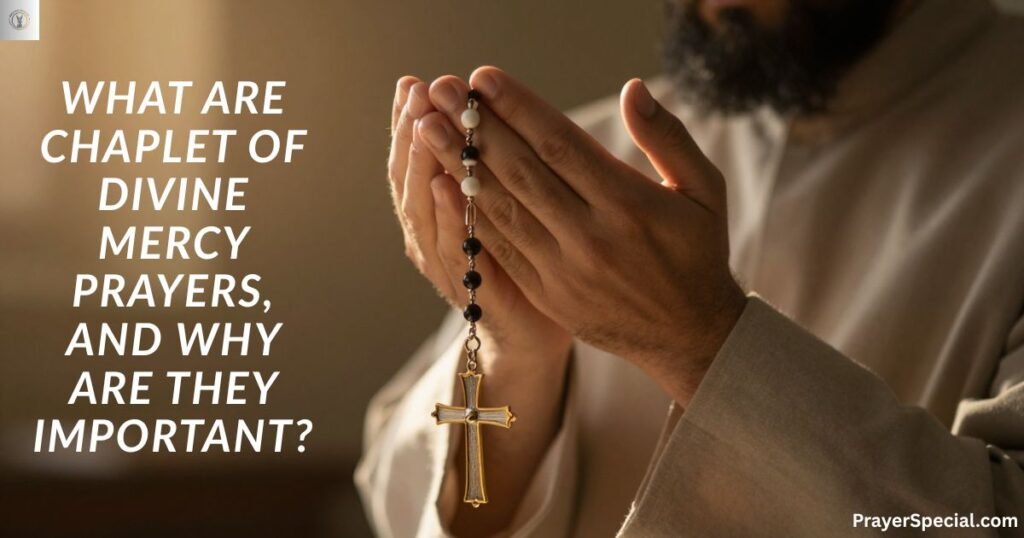
The Chaplet of Divine Mercy prayers are a series of prayers revealed through Saint Faustina Kowalska that invite believers to place their complete trust in God’s endless mercy. Prayed on ordinary Rosary beads, this devotion focuses on the sacrifice of Jesus Christ and asks for mercy for us, our loved ones, and the entire world.
Each prayer in the chaplet carries a unique purpose, helping worshippers reflect on Christ’s Passion while growing in faith, hope, and compassion. Rather than simply repeating words, these prayers encourage a sincere conversation with God and a deeper reliance on His grace.
Below is the meaning and purpose of each prayer in the Chaplet of Divine Mercy.
Opening Prayer
The opening prayer prepares your heart to enter into God’s presence. It recalls the saving love of Jesus and invites you to approach Him with humility, gratitude, and confidence in His infinite mercy.
Alternative expression: Think of the opening prayer as a spiritual invitation that helps quiet your mind and focus completely on God’s compassionate love.
Our Father
The Our Father is the prayer Jesus taught His disciples. It expresses trust in God’s care, asks for daily provision, seeks forgiveness, and reminds believers to extend forgiveness to others while following the Father’s will.
Alternative expression: This prayer centers your heart on God’s kingdom and strengthens your desire to live according to His purpose.
Hail Mary
The Hail Mary honors the Blessed Virgin Mary and asks for her loving intercession. It reminds believers of Mary’s faithful obedience and encourages them to seek her prayers while growing closer to Jesus.
Alternative expression: Through this prayer, Christians ask Mary to accompany them with her prayers as they continue their journey of faith.
The Apostles’ Creed
The Apostles’ Creed is a profession of Christian faith that proclaims belief in God the Father, Jesus Christ, the Holy Spirit, the Church, forgiveness, resurrection, and eternal life. It serves as a reminder of the core truths that unite believers.
Alternative expression: Reciting the Creed renews your commitment to the foundations of the Christian faith before continuing the chaplet.
Eternal Father Prayer
The Eternal Father Prayer is offered on each large bead of the Rosary. It presents the Body, Blood, Soul, and Divinity of Jesus Christ to the Father as an offering of love and atonement for the sins of the whole world.
Alternative expression: This prayer reflects complete trust in Christ’s perfect sacrifice, recognizing Him as the source of mercy and redemption.
For the Sake of His Sorrowful Passion
Repeated on each small bead, this prayer asks God to show mercy because of Jesus Christ’s suffering and sacrifice. It is an act of intercession that extends beyond personal needs to include every person in the world.
Alternative expression: With each repetition, believers place their hopes, concerns, and prayers into God’s merciful hands, trusting in the power of Christ’s Passion.
Holy God Prayer
Prayed three times at the end of the chaplet, the Holy God Prayer is a hymn of praise that acknowledges God’s holiness, power, and eternal nature while asking for His mercy upon all people.
Alternative expression: This concluding prayer combines worship with a heartfelt plea, recognizing God’s greatness and His unfailing compassion.
Optional Closing Prayer
The closing prayer asks God to strengthen faith, increase trust, and help believers remain faithful during life’s challenges. It ends the devotion by placing every concern under God’s loving care.
Alternative expression: This final prayer is a peaceful surrender, expressing confidence that God’s mercy is greater than every fear, trial, or uncertainty.
Understanding the Meaning Behind Chaplet of Divine Mercy Prayers

The Chaplet of Divine Mercy prayers are more than a sequence of words recited on rosary beads. Each prayer carries a spiritual purpose that invites believers to reflect on God’s limitless mercy, the saving sacrifice of Jesus Christ, and the hope found in His love. Understanding the meaning behind every prayer can transform the chaplet from a routine devotion into a deeply personal encounter with God.
The Opening Prayer: Entering God’s Presence
The opening prayer recalls the moment when Christ’s side was pierced, reminding believers that His sacrifice opened the fountain of divine mercy for all humanity. It prepares the heart for prayer by encouraging trust, gratitude, and a willingness to receive God’s grace.
Another way to understand it: This prayer serves as a gentle invitation to leave behind distractions and begin the chaplet with a heart focused on Christ’s boundless compassion.
The Our Father: Trusting in the Father’s Will
The Our Father teaches believers to depend on God for both spiritual and daily needs. It expresses faith in His guidance, seeks forgiveness, and calls us to extend mercy to others just as we hope to receive mercy ourselves.
Another perspective: This prayer reminds us that a closer relationship with God begins with surrendering our plans to His perfect will.
The Hail Mary: Seeking the Blessed Mother’s Intercession
The Hail Mary honors the Blessed Virgin Mary and asks for her prayers as we draw closer to her Son. Her example of humility, obedience, and unwavering faith inspires believers to trust God’s plan in every season of life.
Another way to see it: This prayer is an invitation to walk beside Mary, asking her to lead us toward a deeper love for Jesus.
The Apostles’ Creed: Declaring the Christian Faith
The Apostles’ Creed proclaims the essential beliefs of Christianity, affirming faith in the Father, the Son, the Holy Spirit, the Church, forgiveness, resurrection, and eternal life. It establishes a strong spiritual foundation before continuing the chaplet.
Another perspective: By praying the Creed, believers renew their confidence in God’s promises and reaffirm the truths that unite the Christian faith.
The Eternal Father Prayer: Offering Christ’s Perfect Sacrifice
The Eternal Father Prayer is the heart of the Chaplet of Divine Mercy. It presents the Body, Blood, Soul, and Divinity of Jesus Christ to the Father as a perfect offering for the forgiveness of sins and the salvation of the world.
Another way to understand it: This prayer reminds us that our hope rests not in our own efforts but in Christ’s complete and everlasting sacrifice.
“For the Sake of His Sorrowful Passion”: A Prayer for Mercy
Repeated throughout each decade, this prayer asks God to extend His mercy because of Jesus’ suffering and death. It expresses compassion not only for ourselves but also for every person who needs God’s healing, forgiveness, and peace.
Another perspective: Every repetition becomes an act of trust, placing the needs of the world into the loving hands of Christ.
The Holy God Prayer: Honoring God’s Holiness
The Holy God Prayer, prayed three times at the conclusion of the chaplet, is both an act of worship and a plea for mercy. It acknowledges God’s eternal power while expressing confidence that His compassion reaches every soul.
Another way to understand it: This prayer ends the devotion with praise, reminding believers that God’s holiness and mercy are inseparable.
The Closing Prayer: Living in God’s Mercy
The optional closing prayer asks God to strengthen faith, increase hope, and help believers remain steadfast during life’s joys and hardships. It encourages complete trust in His wisdom and loving care.
Another perspective: Rather than simply ending the chaplet, this prayer sends believers back into daily life with renewed confidence in God’s unfailing mercy and guidance.
More also: The Lord’s Prayer Scripture: How Jesus Taught Prayer in the Bible
Benefits of Making Chaplet of Divine Mercy Prayers a Daily Habit
Praying the Chaplet of Divine Mercy each day is a meaningful way to strengthen your relationship with God and deepen your trust in His mercy. While the chaplet can be prayed at any time, making it a regular part of your daily routine helps cultivate a heart centered on faith, compassion, and hope. Below are some of the spiritual benefits many believers experience through this devotion.
Deepens Your Trust in God’s Mercy
Praying the chaplet daily reminds you that God’s mercy is greater than any mistake, fear, or burden you carry. As you meditate on Christ’s sacrifice, you learn to place your worries in His hands and rely on His unfailing love.
Another way to understand it: Each prayer encourages you to replace doubt with confidence, knowing that God’s compassion is always available to those who seek Him.
Brings Peace During Difficult Times
Life often brings uncertainty, loss, and challenges. The Chaplet of Divine Mercy offers a quiet moment to pause, pray, and find comfort in God’s presence, helping calm an anxious heart and renew inner peace.
Another perspective: Even during life’s most difficult moments, this devotion serves as a reminder that God’s mercy remains constant and His grace is never out of reach.
Strengthens Your Daily Prayer Life
Making the chaplet part of your everyday routine builds consistency in prayer. Over time, it becomes easier to spend intentional moments with God, strengthening your faith and encouraging spiritual growth.
Another way to see it: A daily habit of prayer creates a steady rhythm that keeps your heart focused on God throughout the day.
Encourages Forgiveness and Compassion
The chaplet continually asks God to have mercy on “the whole world,” reminding believers to pray not only for themselves but also for others. This practice nurtures a spirit of forgiveness, kindness, and genuine concern for those around us.
Another perspective: As you regularly ask God to show mercy, you become more willing to extend patience, understanding, and compassion to others.
Inspires Reflection on Christ’s Sacrifice
Each decade centers on the Passion of Jesus Christ, encouraging believers to remember the depth of His love and the price paid for humanity’s salvation. This reflection helps strengthen gratitude and appreciation for God’s redeeming grace.
Another way to understand it: Daily meditation on Christ’s sacrifice keeps His love at the center of your faith journey and inspires a life of greater devotion.
Builds Hope and Spiritual Confidence
The Chaplet of Divine Mercy reminds believers that no situation is beyond God’s ability to restore, heal, or transform. This assurance brings hope during seasons of uncertainty and encourages unwavering faith in His promises.
Another perspective: Regularly praying the chaplet helps replace fear with confidence, knowing that God’s mercy is present in every circumstance.
Encourages Prayer for Others
The chaplet is a powerful prayer of intercession, inviting believers to lift up family members, friends, those who are suffering, and the entire world. It broadens your focus beyond personal intentions and fosters a heart that cares deeply for others.
Another way to see it: By praying for the needs of others each day, you grow in generosity, empathy, and a stronger sense of Christian community.
Creates a Lasting Habit of Faith
When prayed consistently, the Chaplet of Divine Mercy becomes more than a daily routine—it becomes a lifelong spiritual practice. It helps keep your heart anchored in God’s love and encourages you to seek His guidance in every season of life.
Another perspective: A faithful prayer habit nurtures spiritual resilience, helping you face each new day with greater peace, trust, and confidence in God’s everlasting mercy.
The History and Origin of Chaplet of Divine Mercy Prayers
The Chaplet of Divine Mercy has become one of the most cherished Catholic devotions, inviting believers around the world to place their trust in God’s infinite mercy. Its history is rooted in the spiritual experiences of Saint Faustina Kowalska and continues to inspire millions through its message of hope, forgiveness, and compassion.
The Beginning of the Divine Mercy Devotion
The origins of the Chaplet of Divine Mercy trace back to the 1930s, when Saint Faustina Kowalska, a Polish nun, experienced a series of private revelations centered on God’s boundless mercy. Through prayer and contemplation, she received a mission to share this message with the world and encourage greater trust in Jesus Christ.
Another way to understand it: The devotion began as a personal spiritual calling that eventually grew into a worldwide invitation to embrace God’s mercy.
The Revelation of the Chaplet
According to Saint Faustina’s diary, Jesus taught her a special form of prayer that became known as the Chaplet of Divine Mercy. The chaplet was given as a way to ask for mercy for individuals, families, and the entire world while reflecting on Christ’s saving sacrifice.
Another perspective: Rather than focusing only on personal needs, the chaplet encourages believers to pray for all people and place every intention before God’s loving heart.
The Meaning Behind Christ’s Message
At the heart of the Divine Mercy devotion is a simple yet profound invitation: trust in God’s mercy without hesitation. The prayers remind believers that no sin, sorrow, or hardship is greater than Christ’s love and His desire to offer forgiveness and healing.
Another way to see it: The chaplet teaches that God’s compassion remains available to everyone who approaches Him with faith, humility, and hope.
The Role of Saint Faustina
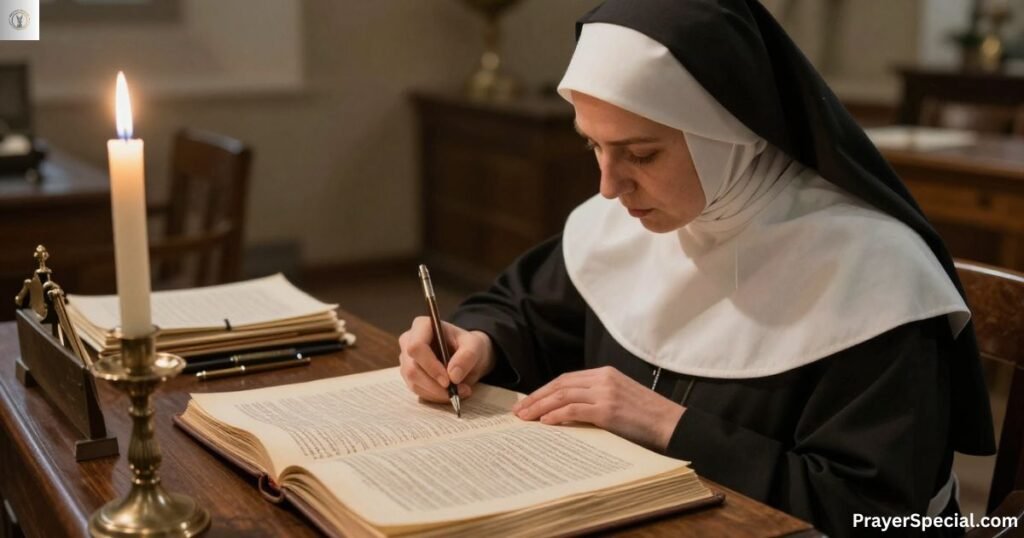
Saint Faustina faithfully recorded her spiritual experiences in her diary, preserving the messages she believed were entrusted to her. Her writings introduced countless people to the themes of mercy, repentance, and complete confidence in God’s goodness.
Another perspective: Through her obedience and dedication, Saint Faustina became an instrument for spreading a devotion that continues to strengthen the faith of believers across the world.
The Growth of the Divine Mercy Devotion
After Saint Faustina’s life and writings became more widely known, the Chaplet of Divine Mercy gradually spread beyond Poland to churches and communities around the globe. Its message resonated with people seeking comfort, healing, and a deeper relationship with Christ.
Another way to understand it: What began as a quiet devotion shared through one faithful servant eventually became a cherished prayer embraced by millions of Christians.
Divine Mercy Sunday and Worldwide Recognition
The Divine Mercy devotion gained even greater recognition with the establishment of Divine Mercy Sunday, celebrated on the Sunday following Easter. This special day highlights God’s mercy and encourages believers to seek spiritual renewal through prayer, trust, and the sacraments.
Another perspective: Divine Mercy Sunday serves as an annual reminder that Christ’s resurrection brings hope, forgiveness, and new life to all who seek Him.
The Lasting Legacy of the Chaplet
Today, the Chaplet of Divine Mercy remains a treasured prayer for people of all ages. Whether prayed individually, with family, or in a church community, it continues to inspire trust in God’s mercy and compassion during both joyful and difficult moments.
Another way to see it: The enduring legacy of the chaplet lies in its timeless message that God’s mercy never fades and His invitation to draw closer to Him is always open.
More also: Best Prayers for Souls in Purgatory and Why They Matter
FAQs
How to pray the Chaplet of Divine Mercy step-by-step?
Begin by making the Sign of the Cross, then pray the Our Father, Hail Mary, and the Apostles’ Creed. Continue by praying the Eternal Father prayer on each large bead and “For the sake of His sorrowful Passion” on each small bead for five decades. Conclude by repeating “Holy God, Holy Mighty One, Holy Immortal One” three times, followed by the optional closing prayer.
How to recite the 3 o’clock Divine Mercy prayer?
The 3 o’clock Divine Mercy prayer is traditionally prayed at the Hour of Mercy, remembering the time of Jesus’ death on the cross. Spend a few quiet moments reflecting on Christ’s passion, then pray the Chaplet of Divine Mercy or offer a heartfelt prayer, asking for mercy for yourself and the whole world.
What is the Chaplet prayer for the Lord of Divine Mercy?
The Chaplet of Divine Mercy is a Catholic devotion centered on Christ’s mercy and sacrifice. Its main prayer is “Eternal Father, I offer You the Body and Blood, Soul and Divinity of Your dearly beloved Son, Our Lord Jesus Christ, in atonement for our sins and those of the whole world.” It is repeated throughout the chaplet while asking God to pour out His mercy.
How to pray the 7 Sorrows Chaplet?
To pray the Seven Sorrows Chaplet, begin with the Sign of the Cross and meditate on each of the seven sorrows experienced by the Blessed Virgin Mary. After announcing each sorrow, pray one Our Father followed by seven Hail Marys while reflecting on Mary’s faith, love, and suffering.
What are the benefits of praying the 7 Sorrows Rosary?
Praying the Seven Sorrows Rosary encourages deeper meditation on the life of Jesus and the compassion of the Blessed Virgin Mary. Many believers find that this devotion strengthens their faith, inspires patience during difficult times, nurtures forgiveness, and helps them grow in trust, humility, and perseverance.
Conclusion
The Chaplet of Divine Mercy prayers offer a simple yet meaningful way to grow closer to God through trust, mercy, and reflection on Jesus Christ’s sacrifice. Whether you are praying for yourself, your loved ones, or the whole world, this devotion reminds you that God’s compassion is always greater than your fears, failures, and challenges.
By understanding the history, meaning, and steps of the chaplet, you can pray with greater confidence and purpose. Make it part of your daily prayer life, especially during the Hour of Mercy, and allow its message of hope, forgiveness, and peace to strengthen your faith each day.

As an SEO content writer, I develop and implement content strategies to enhance online visibility and drive organic traffic. With five years of strong experience in the marketing and content writing field. In his spare time he enjoys playing badminton, which helps him stay active and sharpen his strategic thinking skills.